Why Choosing a Professional Mold Removal Service Matters for Your Home
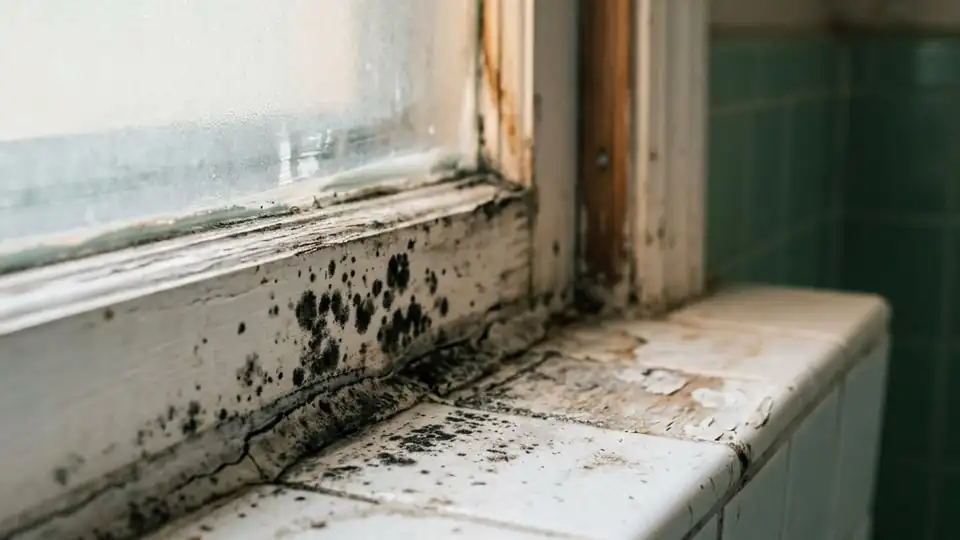
Mold is one of those problems that can start small and grow into something serious before you even notice. I have seen it in basements, behind drywall, and under flooring. What looks like a small patch of black mold can spread through a house in weeks if the conditions are right. That is why knowing when to call a professional mold removal service can make the difference between a quick fix and a long-term health hazard.
Many homeowners try to handle mold on their own. They grab a bottle of bleach and scrub at the visible spots. But that approach often misses the deeper problem. Mold is not just a surface issue. It grows into porous materials like wood, drywall, and insulation. Scrubbing the surface may remove the stain, but the roots, or hyphae, can remain. That means the mold will come back. Worse, disturbing it can release spores into the air, making the situation worse for anyone with asthma triggers or respiratory sensitivities.
A proper mold removal service does not just clean what you can see. It addresses the source of moisture, removes contaminated materials, and ensures the space is safe afterward. That kind of work requires training, equipment, and experience.
Understanding Mold and Moisture
Mold needs three things to grow: moisture, a food source, and the right temperature. Most homes provide all three. Leaky pipes, high humidity, poor ventilation, and flooding are common causes. Even a small roof leak can create enough moisture for mold to take hold inside a wall cavity. I once worked on a home where a slow leak from a bathroom sink had been going on for months. The homeowners did not notice until the wall began to bulge. By then, the mold had spread into the subfloor and the studs. The repair required removing several feet of drywall and replacing the insulation.
That is where moisture control becomes critical. Fixing the leak is step one. But you also need to dry out the structure thoroughly. Structural drying is a process that uses specialized equipment to remove moisture from building materials. Without it, mold can keep growing even after the visible water is gone. A good mold removal service will include a moisture assessment and a drying plan as part of the job.
The Health Side of Mold
Mold exposure is linked to a range of health issues. For people with allergies or asthma, mold spores can be powerful asthma triggers. Even healthy individuals can experience eye irritation, coughing, and skin rashes when exposed to high levels of mold over time. Black mold, or Stachybotrys chartarum, is often associated with more severe reactions because it produces mycotoxins. But any mold growing indoors can be a problem if left unchecked.
I have walked into homes where the air quality was so poor that my eyes started watering within minutes. The residents had grown used to the musty smell, but their health was suffering. In some cases, children and elderly family members were the first to show symptoms. That is why the EPA recommends addressing mold problems quickly and thoroughly. They do not set specific standards for mold in homes, but they do emphasize that moisture control is key to preventing mold growth.
If you suspect mold is affecting your health, a mold inspection can help identify the problem areas. Some people try DIY testing kits, but those have limits. A DIY kit can tell you if mold is present, but it cannot always identify the species or measure the concentration accurately. Professional testing, done by someone with a Mold Remediation Certification, gives you a clearer picture. It also helps you decide whether you need a full remediation or just a targeted cleaning.
What Professional Remediation Looks Like
When you hire a mold removal service, the process usually starts with an assessment. The technician looks for visible mold, moisture sources, and hidden growth using moisture meters and thermal imaging. If the contamination is widespread, they may set up containment barriers to stop spores from spreading to other parts of the house. Negative air pressure and air scrubbers with HEPA filters keep the work area isolated.
Then comes the removal itself. For porous materials like drywall or carpet, removal and replacement are often the safest option. Non-porous surfaces can be cleaned with antimicrobial agents. In some cases, dry ice blasting is used for delicate surfaces like wood beams or historic materials. It is a method that blasts tiny pellets of dry ice at the mold, which freezes and blasts it off without damaging the underlying surface. The pellets sublimate into gas, so there is no secondary waste to clean up. It is effective and leaves behind a dry surface.
After the physical removal, the area is treated further if needed. Mold fogging can reach small crevices and kill lingering spores. This involves applying a fine mist of an antimicrobial solution that floats through the air and settles on surfaces. It is especially useful after a large remediation to ensure no spores remain.
The final step is post-remediation verification. This is a separate inspection, often done by a different person, to confirm the mold is gone and the area is safe. Some companies have internal verification, but third-party verification carries more weight, especially if you are dealing with insurance claims or selling the property. The Indoor Air Quality Association offers guidelines for these verification procedures, and some technicians hold certifications from the Restoration Industry Association as well.

Tools and Equipment Matter
Professional equipment makes a big difference. A HEPA vacuum is standard for cleaning up after remediation. Unlike a regular vacuum, which can blow fine particles back into the air, a HEPA vacuum traps 99.97% of particles down to 0.3 microns. That includes mold spores and other allergens. Air scrubbers also use HEPA filtration to clean the air continuously during and after the job.
VOCs, or volatile organic compounds, can be released by mold and by some cleaning products. High levels of VOCs can cause headaches, dizziness, and longer-term health issues. Professional remediation services monitor VOC levels to ensure the air is safe before they leave the job site. They may also use specialized drying equipment to lower humidity and prevent regrowth.
In crawl spaces, encapsulation is a common technique. This involves sealing the ground with a heavy-duty vapor barrier to keep moisture from rising into the space. Crawl space encapsulation is a preventive measure that can stop mold from ever taking hold. It is not a quick fix, but it is a lasting one. I have seen it turn damp, musty crawl spaces into dry, usable storage areas.
Local Considerations
Detroit has its own set of mold challenges. Older homes with aging plumbing, combined with humid summers and cold winters, create a perfect environment for moisture problems. The Detroit Health Department offers guidance on mold and indoor air quality, but they do not provide remediation services. That means homeowners and property managers need to find qualified contractors on their own.
One brand that comes up often in discussions about air cleaning is Austin Air. Their air purifiers use medical-grade HEPA filtration and are popular in homes where people have severe allergies or asthma. While they are not a substitute for remediation, they can help maintain air quality after the mold is removed. I have recommended them to clients who live in older homes with persistent humidity issues.
If you are dealing with a mold problem, the first step is to stop the moisture source. Then call a professional mold removal service that follows industry standards. Look for technicians with a Mold Remediation Certification or membership in the Indoor Air Quality Association. Ask about their process for containment, removal, and verification. A good company will walk you through the steps and explain what they are doing and why.

Weighing the Cost
Some people hesitate to call a professional because of the cost. But the cost of ignoring mold can be higher. Structural damage, health problems, and decreased property value all add up. A small remediation job might cost a few hundred dollars. A large one, involving structural drying and crawl space encapsulation, can run into the thousands. Still, that is often less expensive than replacing an entire wall or dealing with a family member's chronic respiratory issues.
DIY testing kits can give you an early warning, but they are not a replacement for professional judgment. If you find mold, do not assume bleach will solve it. Bleach kills surface mold on non-porous surfaces, but it does not penetrate porous materials. On wood or drywall, bleach can actually add moisture, making the problem worse. Professional cleaners use specialized products that are more effective and safer for the occupants.
At the end of the day, a mold removal service is not just about cleaning. It is about restoring a healthy environment. Whether you are dealing with a small patch of black mold in the bathroom or a full-blown infestation after a flood, getting the right help makes all the difference. The peace of mind that comes with knowing your home is dry, clean, and safe is worth the investment.
Corrections
Spot something wrong? Send it to the desk and it gets fixed in the open.